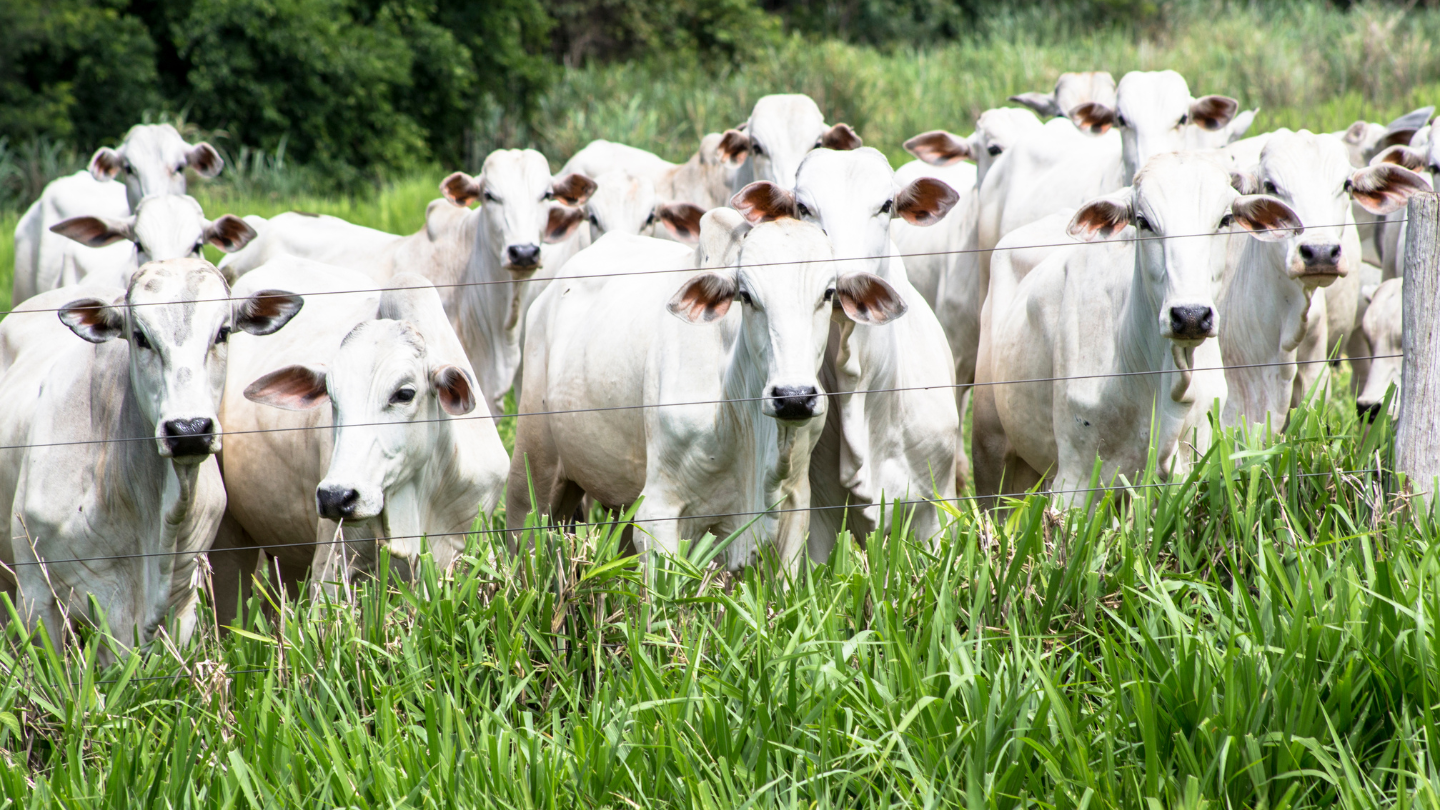
For generations, Indian agriculture has relied on traditional wisdom, seasonal patterns, and manual labor. However, as the challenges of climate change, declining soil fertility, and unpredictable markets grow, traditional methods are no longer enough to guarantee stability.
Enter Agri-Intelligence—the integration of Artificial Intelligence (AI), data analytics, and digital tools into the agricultural sector.
Agri-Intelligence is rapidly reshaping how crops are grown, harvested, and sold. It is bridging the gap between farm and technology, providing Indian farmers with the insights they need to make data-driven decisions that improve yields, reduce costs, and ensure sustainable farming practices.
What is Agri-Intelligence?
Agri-Intelligence refers to the use of smart agricultural technologies to optimize the farming lifecycle. It encompasses a wide range of digital solutions designed to bring precision and predictability to an unpredictable industry.
Artificial Intelligence (AI)
AI algorithms analyze massive datasets from satellites, drones, and ground sensors to predict weather patterns, detect diseases, and recommend optimal planting times.
IoT (Internet of Things)
IoT devices, such as smart soil moisture sensors, communicate real-time data directly to farmers' smartphones, ensuring precise irrigation and fertilization.
Big Data Analytics
By processing historical yield data, market prices, and climate trends, big data helps farmers decide which crops to plant to maximize their profitability.
Blockchain Traceability
Ensures transparency in the supply chain by tracking produce from the farm to the consumer, verifying organic certifications and fair trade practices.
How Agri-Intelligence is Transforming Indian Farming
Precision Farming
Instead of applying water and fertilizer uniformly across a field, precision farming uses GPS and sensor data to apply resources only where they are needed. This significantly reduces waste, cuts input costs, and prevents groundwater contamination.
Automated Crop Health Assessment
Drones equipped with multispectral cameras can fly over large fields and instantly identify areas affected by pests, nutrient deficiencies, or fungal infections long before the human eye can spot them. This allows for targeted, localized treatment.
Smart Supply Chains & Market Linkages
Agri-Intelligence platforms connect farmers directly with buyers based on real-time demand and supply algorithms. This reduces the dependency on middlemen, ensures fair pricing, and minimizes post-harvest losses caused by supply chain delays.
Empowering Farmers with Technology
The goal of Agri-Intelligence is not to replace the farmer, but to empower them. In India, where a large percentage of farmers operate on small landholdings, mobile-based advisory apps are making advanced analytics accessible to everyone.
By democratizing data, farmers can transition from reactive farming to proactive farming. They can anticipate risks, optimize their inputs, and build climate-resilient farming models that ensure their long-term economic stability.
Conclusion
The future of farming in India is digital. As Agri-Intelligence continues to evolve, it will serve as the foundation for a sustainable, zero-waste, and highly productive agricultural ecosystem.
By embracing AI, smart sensors, and data analytics, Indian agriculture is stepping into a new era where technology and nature work hand-in-hand to secure the nation's food future while empowering the farming community.
Frequently Asked Questions
1. Can small-scale farmers in India afford Agri-Intelligence?
Yes. While large drones and heavy machinery may be expensive, the core of Agri-Intelligence—such as AI-driven weather predictions and market insights—is increasingly available through affordable smartphone applications and government-supported digital platforms.
2. How does AI help in reducing crop failure?
AI models can analyze historical weather data and current soil conditions to predict risks such as droughts or pest outbreaks. This gives farmers early warnings, allowing them to take preventive measures before the crop is damaged.
3. Will technology replace traditional farming knowledge?
No. Agri-Intelligence is designed to complement traditional wisdom, not replace it. It provides data that validates and enhances traditional practices, making them more precise and efficient.



